Key Considerations for Siding Installation Chicagoland Homeowners Should Know
Getting Siding Right in Chicagoland's Climate
Choosing and installing siding is a major decision for any homeowner. In Chicagoland, where the weather swings from bitter cold and lake-effect snow to humid summers and sudden storms, the stakes are higher. A poor siding installation can lead to moisture damage, higher energy bills, and premature failure. For anyone planning siding installation Chicagoland, understanding the specific demands of the local climate and the nuances of proper workmanship is essential.
The goal is not just to make a house look good. The siding system is a primary barrier against the elements. It must manage water, wind, and temperature changes while allowing the structure to breathe. This article covers the practical considerations that matter most when tackling a siding project in this region, from material selection to the details of the installation process itself.
Material Choices for the Local Weather
Not all siding materials perform the same way in Chicagoland's freeze-thaw cycle. Each option has trade-offs in durability, maintenance, cost, and appearance. Here is a breakdown of the most common choices and what to watch for.
Engineered Wood (LP SmartSide, etc.)
Engineered wood lap siding has become a popular choice because it resists moisture better than traditional wood. It is treated to withstand rot and insect damage, and it holds paint well. The key is proper nail placement and leaving the correct gap at joints for expansion. In cold weather, the material can become more brittle, so careful handling and fastening during installation matter.
Fiber Cement (HardiePlank, etc.)
Fiber cement siding is extremely durable and fire-resistant, and it does not rot or warp. It handles Chicagoland's temperature swings reasonably well, but it is heavy and requires special cutting tools. The dust from cutting contains silica, so proper respiratory protection is a must. Because fiber cement expands and contracts with temperature changes, the manufacturer's nailing and gap specifications must be followed exactly. If installed too tightly, panels can buckle or crack.
Vinyl Siding
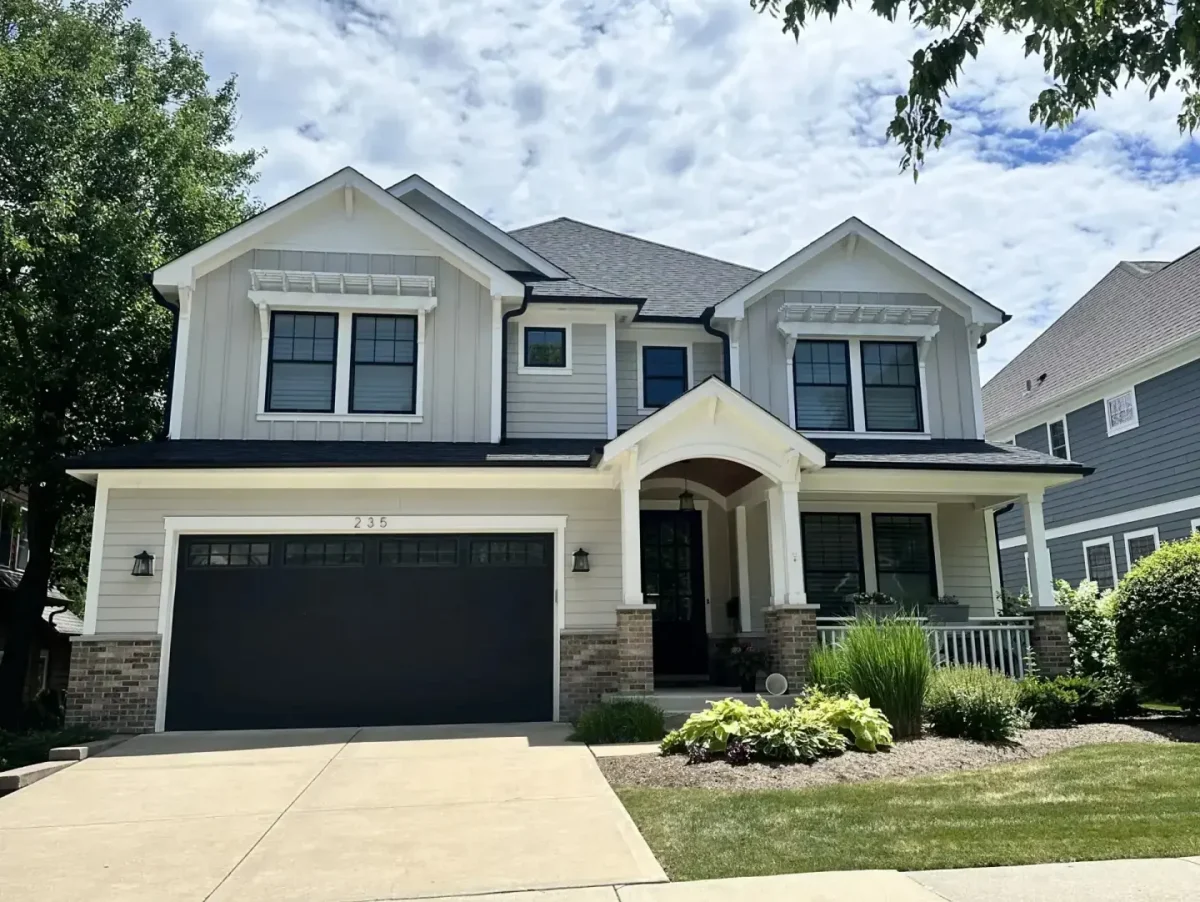
Vinyl is lightweight, low-maintenance, and cost-effective. Modern vinyl formulations are better at resisting impact in cold weather than older versions, but vinyl still becomes more brittle below freezing. The biggest issue with vinyl is its high coefficient of thermal expansion. On a hot summer day, a dark-colored vinyl panel can expand significantly. If the installation does not account for this movement, the siding can warp or pop its fasteners. Proper nailing technique is critical: nails should be driven straight and not too tight, leaving a tiny gap for movement.
Real Wood (Cedar, Redwood)
Natural wood siding offers unmatched beauty and can last for decades if maintained. But in Chicagoland's damp climate, it requires regular staining or painting and careful attention to moisture barriers behind it. Wood is also more prone to warping and insect damage. Proper installation includes using stainless steel or hot-dipped galvanized nails, pre-drilling near ends, and leaving adequate spacing for seasonal movement.
The Critical Role of Proper Installation
The best siding material in the world will fail if the installation is sloppy. For siding installation Chicagoland, the most important factor is not the brand of siding but the quality of the workmanship and the attention to local building codes. Here are the major areas that separate a lasting job from a problem-prone one.
Flashing and Weather-Resistive Barriers
Before the siding goes on, the house must be properly wrapped. A weather-resistive barrier (WRB), often a housewrap like Tyvek, is installed over the sheathing. This layer allows moisture vapor to escape from inside the wall while blocking liquid water from the outside. Every seam must be taped, and any tears or gaps must be sealed. Flashing is installed around windows, doors, and other penetrations to direct water outward. If the WRB is missing or poorly installed, water can get behind the siding and rot the framing from the inside out.
Fastening and Spacing
Every siding manufacturer publishes nailing schedules and spacing requirements. These specifications are not suggestions; they are based on testing for the material's expansion and wind-load resistance. Using too few nails or driving them too deep can cause the siding to pull loose. Using the wrong type of nail (e.g., electro-galvanized instead of hot-dipped) can lead to rust streaks and early failure. Additionally, proper clearance at the bottom of the siding (usually 1-2 inches above the roof or ground) prevents wicking of moisture and rot.
Connect with us on Instagram.
Ventilation Behind the Siding
Many siding systems, especially vinyl and fiber cement, require a drainage and ventilation gap behind the panels. This space allows any moisture that gets behind the siding to drain out and allows air circulation to dry the wall assembly. Without this gap, trapped moisture can lead to mold, rot, and reduced insulation performance. The specific gap needed varies by material and wall assembly design.
Dealing with Chicagoland's Specific Challenges
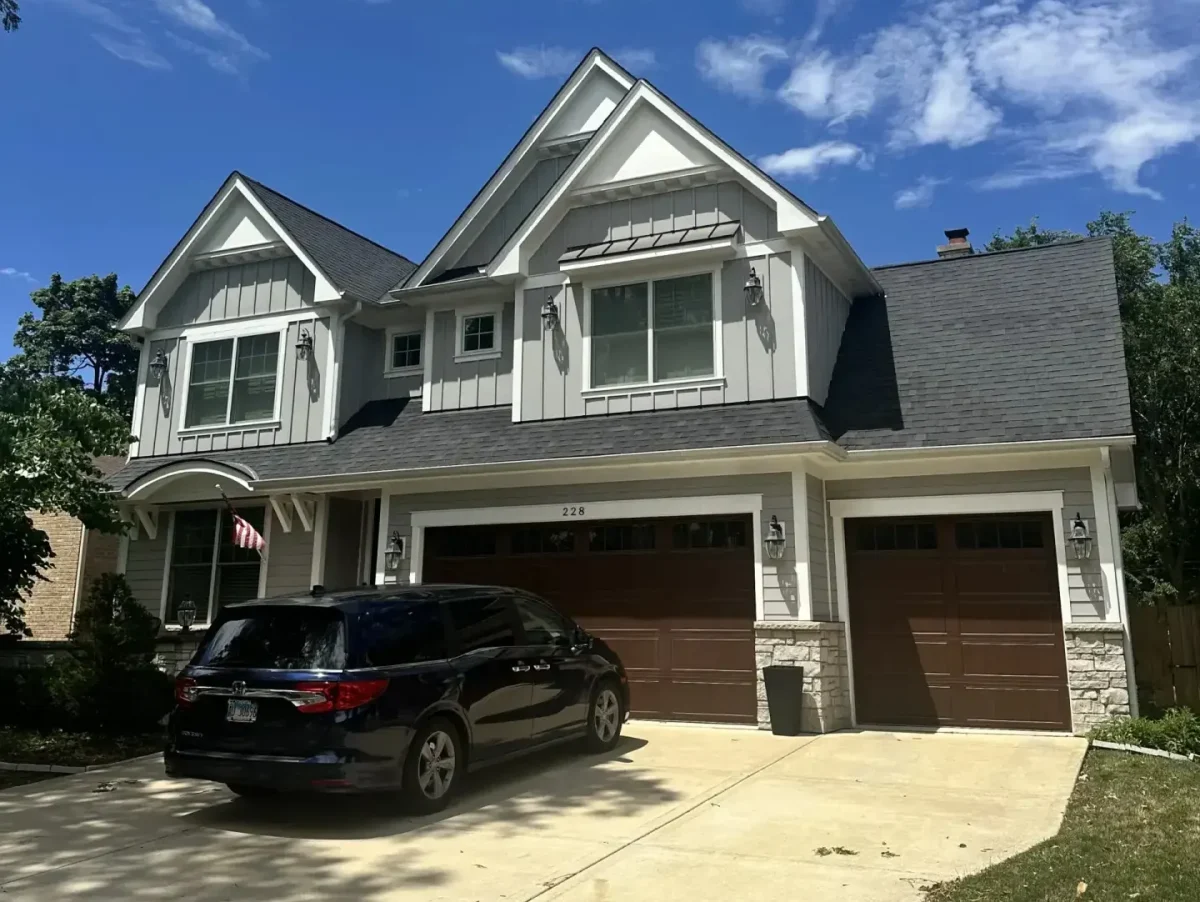
The local climate creates unique demands that any contractor should address. One major issue is the freeze-thaw cycle. Water gets into tiny gaps around fasteners and at joints. When it freezes, it expands, potentially cracking the siding or loosening the fasteners. This is why proper caulking and flashing details are so important. Another challenge is the wind-driven rain that comes with storms. Siding must be installed with proper J-channel or trim at corners and around openings to direct water away.
Another factor is the high number of older homes in the region. Many Chicagoland houses have existing siding that may contain lead paint or asbestos (especially if it is old cement-asbestos siding). Before any tear-off begins, testing and proper abatement procedures should be followed. Also, older homes may have wall assemblies that were not designed for modern vapor-retardant paints or housewraps, so careful planning is needed to avoid trapping moisture.
What to Look for in a Contractor
While this article does not recommend specific companies, there are objective signs of a competent siding contractor. A good contractor will:
- Provide a detailed written scope of work that specifies the siding brand, color, installation method, and all flashing and trim details.
- Be able to explain the manufacturer's warranty requirements and how they will ensure the installation meets those requirements.
- Have proper insurance and be willing to show it. Siding work involves ladders, saws, and sometimes scaffolding.
- Be familiar with local building codes and permit requirements. In many Chicagoland suburbs, a permit is required for siding replacement, and inspections may be needed for the weather-resistive barrier.
- Give a clear timeline and a clean-up plan. Siding projects generate debris, and a professional crew will protect landscaping and clean up daily.
It is also wise to ask about how they handle weather delays. Siding should not be installed in heavy rain, extreme cold (usually below 40 degrees Fahrenheit for some materials), or high winds. A contractor who pushes through bad weather is likely cutting corners.
Wrapping Up: The Big Picture
A successful siding project is about more than just the visible panels. It is about creating a durable, weather-tight envelope that protects the home for decades. In Chicagoland, that means choosing a material that suits the climate, insisting on proper installation techniques, and working with a contractor who understands the local conditions. Whether you are replacing old siding or finishing a new build, paying attention to these details will save time, money, and frustration down the road.
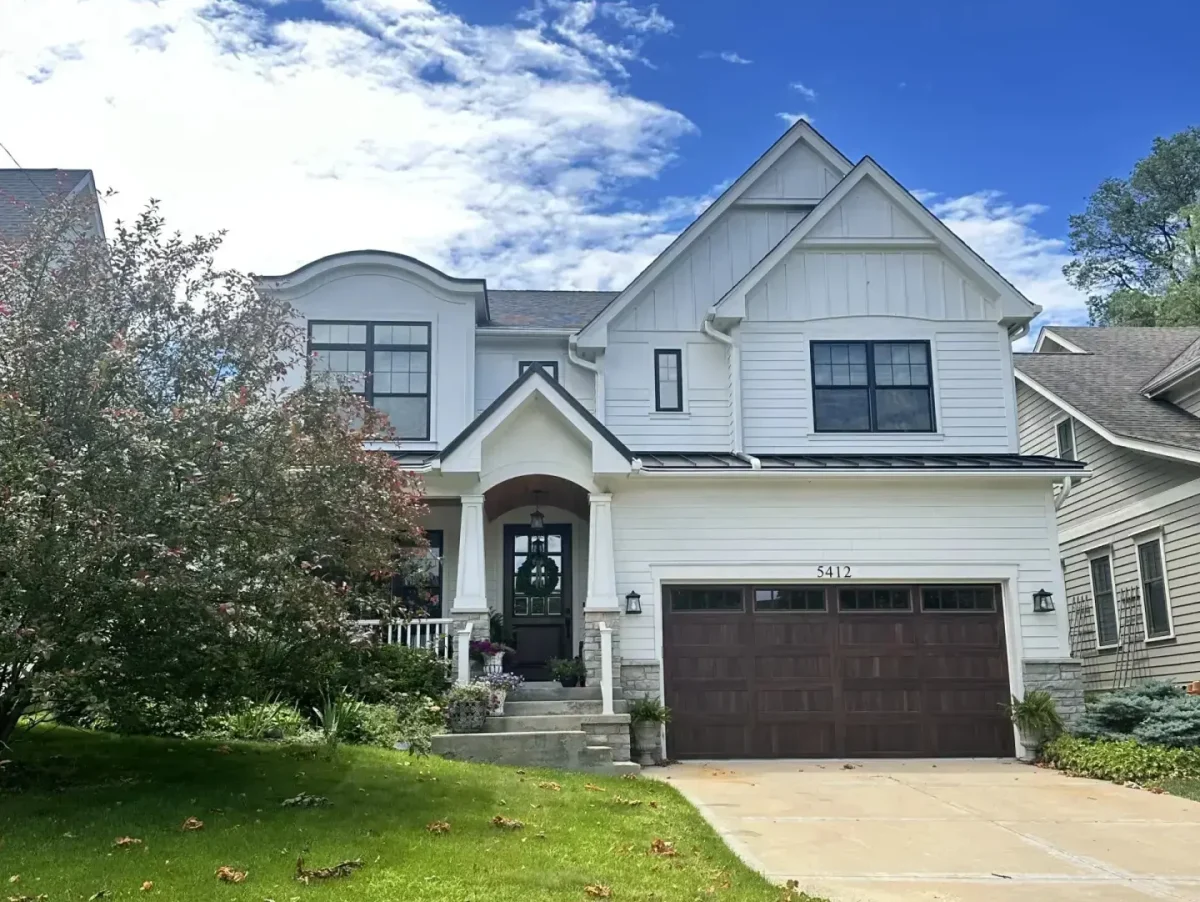
For homeowners considering siding installation Chicagoland, the investment in quality materials and skilled labor pays off in comfort, energy efficiency, and peace of mind. Do not rush the planning phase, and never hesitate to ask questions about the details that matter.
Royal Craft Home Remodelers Inc., located at 1525 Ogden Ave Ste e, Downers Grove, IL 60515, USA, can be reached at +1 630-725-1000. They are a Downers Grove based exterior remodeling contractor specializing in roofing, siding, windows, doors, and gutters since 1973.